Travel Trip in Bhutan

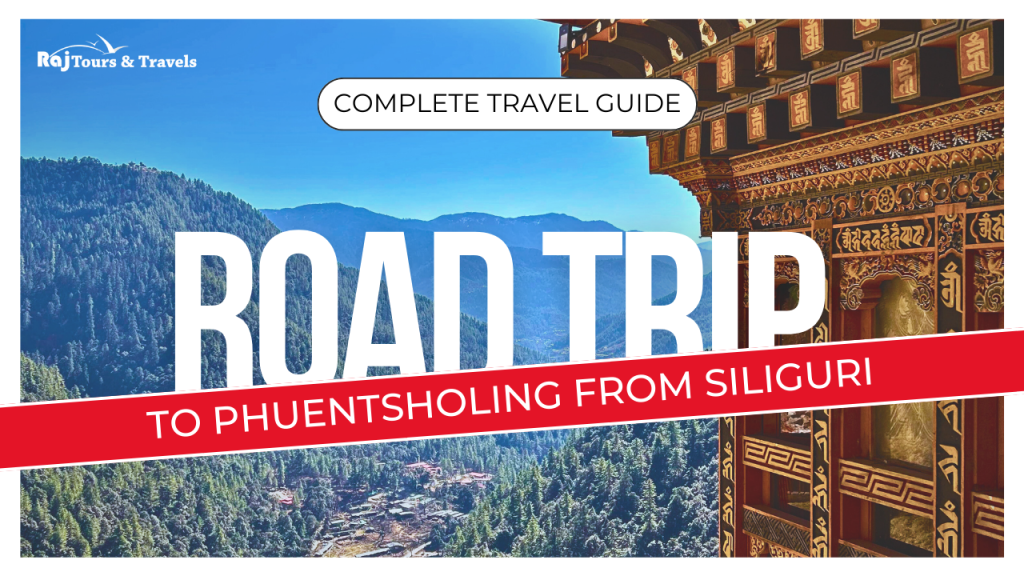
Road Trip To Phuentsholing from Siliguri

Road Trip To Phuentsholing from Siliguri, Complete Travel Guide

Bhutan, often referred to as the “Land of the Thunder Dragon,” is a mystical kingdom nestled in the eastern Himalayas. For travelers seeking to explore its serene beauty, a road trip from Siliguri to Phuentsholing is a perfect way to embark on this journey. Phuentsholing, a bustling border town, serves as the gateway to Bhutan, and the road trip from Siliguri offers an opportunity to witness the diverse landscapes and cultures that define this region. In this comprehensive guide, we will take you through everything you need to know about planning a road trip from Siliguri to Phuentsholing. From preparing your vehicle to understanding border formalities, we’ll ensure that you’re well-equipped for a smooth and memorable journey. 1. Preparing for the Journey Before setting out on any road trip, it’s essential to prepare adequately. Here’s what you need to consider before starting your journey to Phuentsholing from Siliguri: A. Vehicle Readiness Vehicle Condition: Ensure that your vehicle is in optimal condition. Check the tires, brakes, engine, and lights. Having your vehicle serviced before the trip is highly recommended. Documentation: Keep all necessary documents, including your driving license, vehicle registration, and insurance papers, handy. If you’re driving a rental car, ensure that you have the necessary permits and rental agreements. Fuel: Fill up your fuel tank in Siliguri, as fuel stations may be scarce along the route. Carry a jerry can of extra fuel if needed. Emergency Kit: Pack an emergency kit containing a first aid box, basic tools, spare tire, flashlight, and other essentials that might be required on the road. B. Route Planning The route from Siliguri to Phuentsholing is approximately 155 kilometers and usually takes around 4-5 hours by road, depending on traffic and road conditions. The most commonly used route is: Route: Siliguri – Sevoke – Chalsa – Nagrakata – Hasimara – Jaigaon – Phuentsholing Major Landmarks: Teesta River, Coronation Bridge, Mahananda Wildlife Sanctuary, Dooars Tea Gardens C. Travel Permits Bhutan is a regulated entry country, and travelers must obtain the necessary permits to enter. For Indian citizens, the process is relatively straightforward: Entry Permit: Issued at the Bhutan Immigration Office in Phuentsholing, this permit allows you to enter Bhutan. You’ll need a valid passport or voter ID, passport-sized photos, and a copy of your travel itinerary. Vehicle Permit: If you plan to drive your vehicle beyond Phuentsholing into Bhutan, you must obtain a vehicle permit from the Bhutan Transport Authority in Phuentsholing. 2. The Journey Begins: Siliguri to Phuentsholing The road trip from Siliguri to Phuentsholing is a scenic one, offering glimpses of the Eastern Himalayas, lush forests, and tea gardens. Here’s what you can expect along the way: A. Siliguri: The Starting Point Siliguri, located in the state of West Bengal, is a vibrant city known as the gateway to the Northeast and Bhutan. It is well-connected by air, rail, and road, making it an ideal starting point for your road trip. Attractions: If you have some time before your journey, visit the Hong Kong Market for shopping, or relax at the Mahananda Wildlife Sanctuary. Food and Supplies: Stock up on snacks, water, and any other supplies you might need for the journey. B. The Drive through Sevoke and Coronation Bridge As you leave Siliguri, the drive towards Sevoke takes you through the Mahananda Wildlife Sanctuary. The Sevoke road is known for its picturesque views of the Teesta River and dense forests. Coronation Bridge: A significant landmark on this route, the Coronation Bridge, also known as Sevoke Bridge, spans the Teesta River and offers stunning views of the surrounding landscape. It’s a great spot for a quick stop and some photography. C. The Dooars Region After crossing the Coronation Bridge, you enter the Dooars region, known for its vast tea gardens, wildlife sanctuaries, and the foothills of the Himalayas. The drive through this region is tranquil and scenic. Tea Gardens: The Dooars is famous for its tea plantations. You can take a detour to visit one of the tea estates and experience a tea-tasting session. Wildlife: If you’re a nature enthusiast, you might want to visit the Gorumara National Park or Chapramari Wildlife Sanctuary, both of which are located near the route. D. Hasimara to Jaigaon As you continue your journey, the town of Hasimara is the last major settlement in India before you reach Jaigaon, the border town adjacent to Phuentsholing. Hasimara: A small town known for its proximity to the Bhutan border, Hasimara is where you might stop for a break or refuel. Jaigaon: This bustling town marks the border between India and Bhutan. It’s a vibrant place with a mix of Indian and Bhutanese cultures. You can find shops, restaurants, and hotels here. 3. Crossing the Border: Phuentsholing Phuentsholing, located just across the border from Jaigaon, is the second-largest town in Bhutan and serves as a major trading hub. It’s the entry point for most travelers from India. A. Immigration and Permits Upon arrival in Phuentsholing, your first task is to obtain the necessary permits: Immigration Office: Located near the Bhutan Gate, the immigration office issues entry permits. Ensure you have all the required documents and be prepared for some waiting time, especially during peak tourist seasons. Vehicle Permit: If you’re continuing your journey into Bhutan by car, visit the Bhutan Transport Authority office to obtain a vehicle permit. B. Exploring Phuentsholing Before you continue your journey into Bhutan, take some time to explore Phuentsholing: Bhutan Gate: The symbolic gate that marks the entry into Bhutan is an iconic spot for photography. Zangto Pelri Lhakhang: A beautiful temple located in the heart of Phuentsholing, it’s a peaceful place to relax and soak in the spiritual ambiance. Amo Chhu Crocodile Breeding Centre: Located on the outskirts of Phuentsholing, this center is home to several crocodiles and is an interesting place to visit. 4. Tips for a Hassle-Free Journey A. Timing Your Travel Best Time to Visit: The ideal time for a road trip to Phuentsholing is during the months of October to April when

Road Trip To Phuentsholing from Siliguri, Complete Travel Guide Read More »
Bhutanese authentic dishes

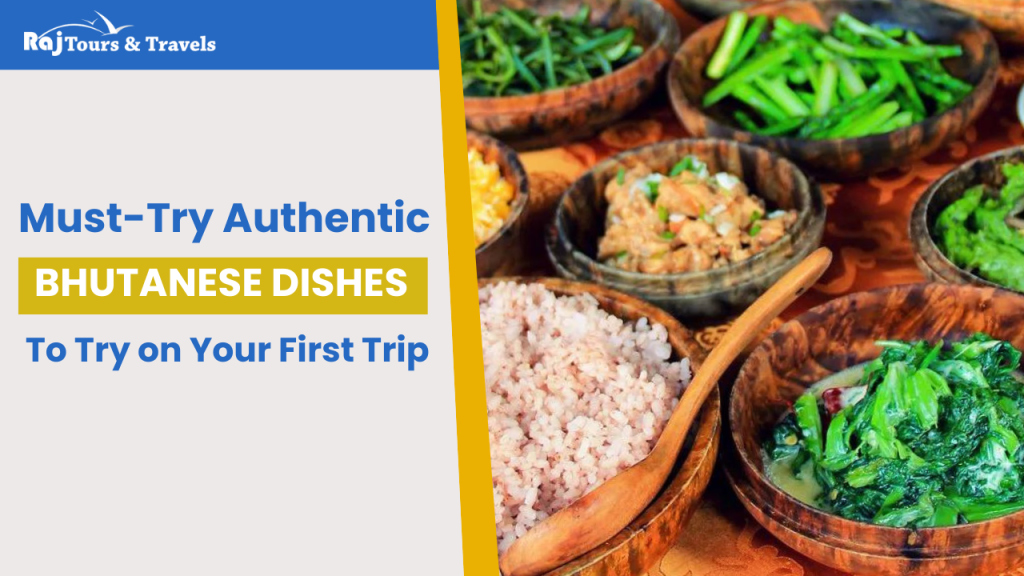
Popular Bhutanese Authentic Cuisine for Your First Bhutan Trip

Bhutan, the Land of the Thunder Dragon, is not only a destination of breathtaking landscapes and rich culture but also a culinary paradise waiting to be discovered. As you embark on your first trip to Bhutan, one of the most enriching experiences you can have is indulging in its authentic cuisine. Bhutanese food is a reflection of the country’s unique culture, traditions, and the harsh mountainous environment. It’s rich in flavors, with a blend of spices, dairy, and fresh produce that creates a culinary experience like no other. In this blog, we’ll take you through some of the most popular Bhutanese dishes that you simply must try on your first trip to Bhutan. From the fiery and flavorful to the mild and comforting, these dishes offer a delicious glimpse into Bhutanese life and culture. At Raj Tours and Travels, we believe that experiencing local cuisine is an essential part of any journey, and we’re excited to guide you through Bhutan’s culinary landscape. 1. Ema Datshi: The National Dish of Bhutan No culinary exploration of Bhutan is complete without trying Ema Datshi, the national dish of the country. The name “Ema Datshi” literally translates to “chili and cheese,” and it’s exactly what it sounds like – a spicy dish made from green or red chili peppers and cheese. A. What Makes Ema Datshi Unique? Ingredients: The primary ingredients are green or red chilies (ema) and a type of local cheese called datshi, which is similar to cottage cheese but creamier. It is often garnished with onions and tomatoes. Flavor Profile: Ema Datshi is known for its heat, as Bhutanese people love their chilies. The cheese adds a creamy texture, balancing the spiciness of the chilies. Serving: This dish is typically served with red or white rice, making it a staple in every Bhutanese household. B. Variations of Ema Datshi While the classic Ema Datshi is made with chilies and cheese, there are several variations to explore: Kewa Datshi: Made with potatoes instead of chilies, it’s a milder version of the dish. Shamu Datshi: This variation includes mushrooms along with the chilies and cheese. Sikam Datshi: A heartier version that includes sun-dried pork (sikam) with the chilies and cheese.  2. Phaksha Paa: Spicy Pork with Radish Phaksha Paa is a popular Bhutanese dish that features tender slices of pork cooked with dried chilies and radishes. It’s a hearty and flavorful dish that showcases Bhutan’s love for pork and spice. A. Key Ingredients Pork: The dish is made using slices of pork belly, which adds richness and depth to the dish. Radish: White radishes are commonly used, adding a crunchy texture that contrasts well with the tender pork. Chilies and Spices: Dried red chilies are used generously, and the dish is flavored with Bhutanese spices. B. Serving and Accompaniments Phaksha Paa is usually served with rice and sometimes accompanied by a side of Ema Datshi or other vegetable dishes. The combination of spicy pork, radish, and the heat from the chilies makes it a comforting dish, especially during the cold Bhutanese winters. 3. Jasha Maroo or Maru: Spicy Chicken Stew For those who enjoy chicken, Jasha Maroo is a dish not to be missed. This spicy Bhutanese chicken stew is both flavorful and satisfying, making it a favorite among locals and visitors alike. A. Ingredients and Preparation Chicken: Diced or minced chicken is used as the base for this dish. Tomatoes and Onions: These are key ingredients that add to the stew’s richness and texture. Chilies: As with most Bhutanese dishes, Jasha Maroo is spiced with fresh or dried chilies. Spices: Garlic, ginger, and coriander are commonly used to enhance the flavor. B. How It’s Served Jasha Maroo is often served with rice and can be accompanied by other side dishes such as spinach or potatoes. The dish has a rich, soupy consistency and can be made as spicy or mild as desired. 4. Sikam Paa: Dried Pork with Chilies Sikam Paa is another beloved pork dish in Bhutan, known for its use of sun-dried pork belly. The drying process gives the pork a unique texture and flavor, which is then cooked with dried chilies. A. Preparation Process Sun-Dried Pork: The pork belly is usually sun-dried, which helps preserve it and adds a chewy texture. Cooking: The dried pork is then cooked with dried chilies and sometimes with vegetables like radish or spinach. Flavors: The dish is rich in flavor, with the chilies providing a spicy kick and the pork offering a savory taste. B. Traditional Serving Style Sikam Paa is typically served with rice and often accompanied by Ema Datshi or other vegetable dishes. It’s a hearty meal that is particularly popular during festivals and celebrations. 5. Puta: Buckwheat Noodles In the colder regions of Bhutan, buckwheat is a common crop, and one of the most popular dishes made from it is Puta, or buckwheat noodles. This simple yet nutritious dish is a staple in the Bumthang region of Bhutan. A. How It’s Made Buckwheat Noodles: The noodles are made from buckwheat flour, which gives them a distinct nutty flavor and a slightly chewy texture. Preparation: The noodles are usually boiled and then stir-fried with onions, garlic, and a variety of vegetables. Sometimes, they are served with a side of curry or stew. B. Nutritional Value Puta is a healthy alternative to wheat-based noodles, as buckwheat is rich in fiber, protein, and essential nutrients. It’s a great option for those looking to try something different and nutritious during their Bhutan trip. 6. Goen Hogay: Bhutanese Cucumber Salad For a lighter option, especially during the warmer months, Goen Hogay is a refreshing Bhutanese cucumber salad that offers a perfect balance of flavors. A. Ingredients Cucumbers: Fresh cucumbers are the main ingredient in this salad. Tomatoes: Often included to add a bit of sweetness. Chilies: Fresh green chilies are used to add a spicy kick. Cheese: A bit of local cheese or datshi is crumbled into the salad for added flavor. Dressing: The salad is typically

Popular Bhutanese Authentic Cuisine for Your First Bhutan Trip Read More »

Jomolhari Trek in Bhutan

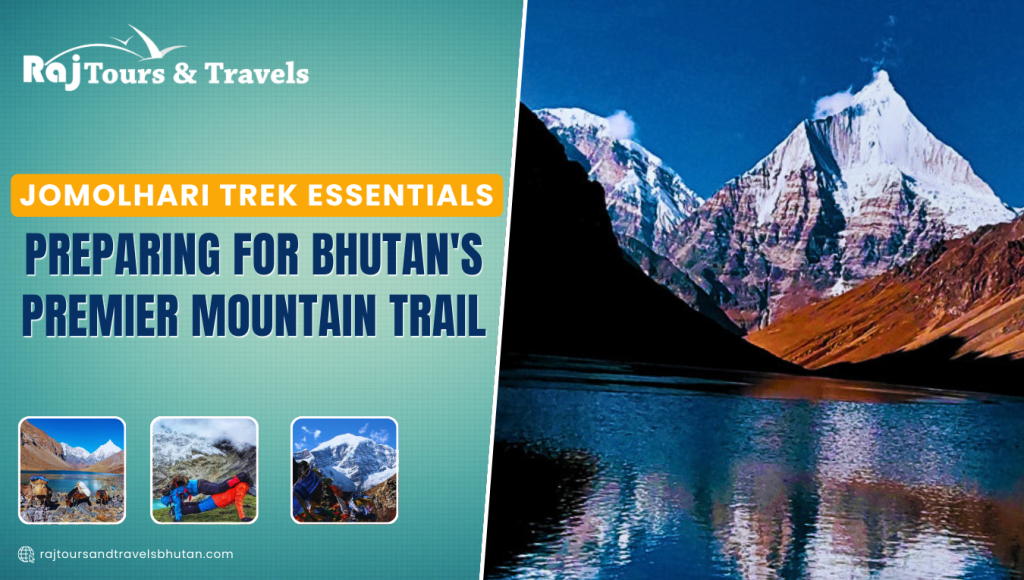
Trekking in the Shadow of Jomolhari: What to Expect on Bhutan’s Famous Trail

Trekking in the shadow of Jomolhari is more than just a physical journey; it’s an exploration of Bhutan’s natural beauty and cultural richness. From the diverse landscapes and stunning mountain views to the warm encounters with local communities, every moment on the Jomolhari Trek is filled with wonder and discovery. Whether you’re captivated by the majestic peaks, the serene glacial lakes, or the rich cultural experiences, this trek offers an adventure that is both challenging and deeply rewarding. Plan your trek with Raj Tours and Travels, and embark on a journey that will leave you with lasting memories of Bhutan’s pristine wilderness and vibrant culture. The Scenic Beauty of the Jomolhari Trek As you embark on the Jomolhari Trek, you’ll be greeted by a diverse array of landscapes that change dramatically with altitude. The journey begins in lush, temperate forests filled with rhododendrons and blue pine. As you ascend, the scenery transforms into alpine meadows adorned with wildflowers, and finally to stark, high-altitude deserts near the base of Jomolhari. The highlight of the trek is undoubtedly the breathtaking view of Jomolhari Mountain itself, standing tall at 7,326 meters. On clear days, the snow-capped peak glistens under the sun, creating a picture-perfect backdrop for your adventure. Along the way, you’ll also encounter serene glacial lakes, rushing rivers, and traditional Bhutanese villages that offer a glimpse into the local way of life. Key Highlights of the Jomolhari Trek Jangothang Base Camp One of the most anticipated stops on the Jomolhari Trek is the Jangothang Base Camp. Located at an altitude of 4,080 meters, this campsite offers unparalleled views of Jomolhari and the surrounding peaks. It’s the perfect spot for acclimatization, allowing trekkers to rest and soak in the majestic scenery. The base camp is also a great place for wildlife spotting, with blue sheep and Himalayan marmots often seen grazing in the meadows. At night, the clear skies offer a dazzling display of stars, making it a magical place to rest before continuing your journey. Taktsang Monastery (Tiger’s Nest) While not directly on the Jomolhari Trek, a visit to Taktsang Monastery, or Tiger’s Nest, is a must for anyone trekking in Bhutan. Perched precariously on a cliffside at 3,120 meters, this iconic monastery is one of Bhutan’s most famous landmarks. Legend has it that Guru Rinpoche flew to this location on the back of a tigress and meditated in a cave here. The hike to Tiger’s Nest is challenging but rewarding, offering stunning views of the Paro Valley below. The monastery itself is a masterpiece of Bhutanese architecture, with intricate designs and a serene atmosphere that invites contemplation and reflection. Best Time to Trek the Jomolhari Trail The best times to undertake the Jomolhari Trek are during the spring (March to May) and autumn (September to November) seasons. During these periods, the weather is most stable, with clear skies and moderate temperatures. Springtime offers the added beauty of blooming rhododendrons and other wildflowers, while autumn provides crisp, clear air and vibrant fall foliage. These conditions ensure that trekkers can fully appreciate the stunning landscapes and enjoy a safe and comfortable trekking experience. What to Expect on the Trek Physical Preparation and Gear Trekking the Jomolhari Trail requires a good level of physical fitness. The trail includes steep ascents and descents, with daily trekking hours ranging from 5 to 8 hours. It’s essential to prepare with regular cardiovascular and strength training exercises. Additionally, acclimatization days are built into the trek to help adjust to the high altitudes. Proper gear is crucial for a successful trek. Sturdy, broken-in hiking boots, layered clothing to adapt to varying temperatures, a high-quality sleeping bag, and trekking poles are essential. Don’t forget to bring a reliable backpack, hydration system, and a good camera to capture the incredible vistas. Cultural Experiences Along the Way One of the unique aspects of the Jomolhari Trek is the opportunity to experience Bhutanese culture firsthand. Along the trail, you’ll pass through remote villages where traditional lifestyles have remained unchanged for centuries. You’ll have the chance to interact with local villagers, visit ancient monasteries, and participate in cultural ceremonies. These encounters provide a deeper understanding of Bhutan’s rich cultural heritage and the strong spiritual connection its people have with the land. The hospitality of the Bhutanese people is heartwarming, and their stories and traditions add a rich layer to your trekking adventure.

Trekking in the Shadow of Jomolhari: What to Expect on Bhutan’s Famous Trail Read More »

adventure in jigme dorji national park

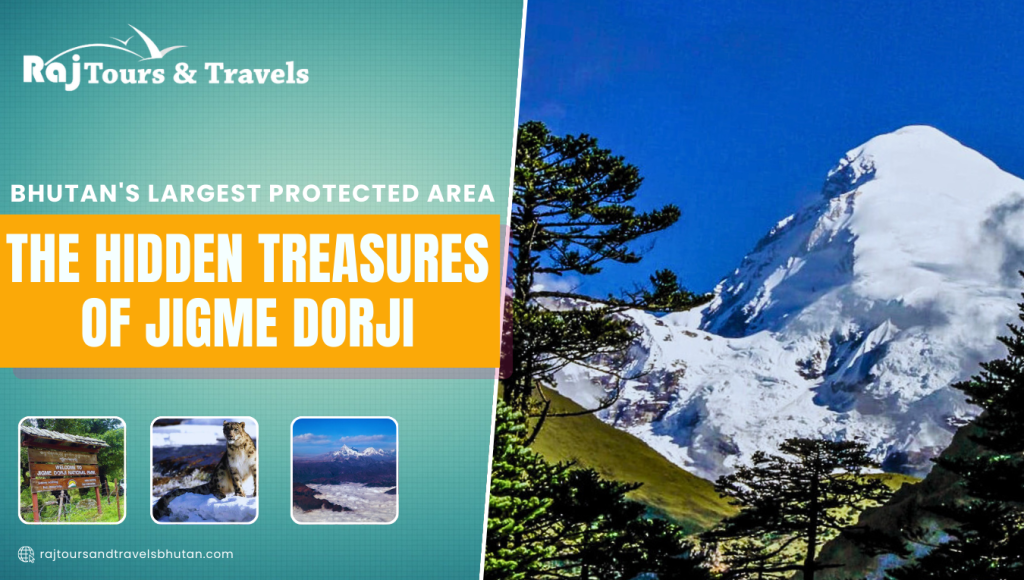
The Hidden Treasures of Jigme Dorji: Bhutan’s Largest Protected Area

Jigme Dorji National Park, spanning over 4,300 square kilometers, is Bhutan’s largest protected area and a haven for biodiversity. This expansive park, located in the northwest region of Bhutan, is named after the third king of Bhutan, Jigme Dorji Wangchuck. It is a sanctuary that preserves the country’s rich natural heritage, offering a pristine environment where wildlife thrives and nature remains untouched. For adventurers and nature enthusiasts, Jigme Dorji National Park promises a journey into the heart of Bhutan’s wilderness, where every trail leads to a new discovery. The Rich Biodiversity of Jigme Dorji National Park Jigme Dorji National Park is renowned for its incredible biodiversity. The park is home to some of Bhutan’s most iconic and rare wildlife species, including the elusive snow leopard, the Bengal tiger, and the Himalayan blue sheep. Bird watchers will be thrilled by the variety of avian species, such as the majestic black-necked crane and the vibrant Himalayan monal. The park’s diverse ecosystems, ranging from lush subtropical forests to alpine meadows, support an array of plant species, including medicinal herbs and beautiful orchids. Each ecosystem within the park plays a crucial role in maintaining the ecological balance, making it a vital area for conservation efforts. Key Attractions within the Park Gasa Hot Springs One of the hidden treasures within Jigme Dorji National Park is the Gasa Hot Springs. These natural hot springs are renowned for their therapeutic properties, attracting both locals and tourists seeking relaxation and healing. Surrounded by stunning landscapes, the hot springs offer a perfect spot to unwind after a day of exploring the park. The warm, mineral-rich waters are believed to alleviate various ailments, making them a popular destination for wellness seekers. Lingshi Dzong Another significant attraction is the Lingshi Dzong, an ancient fortress that stands as a testament to Bhutan’s rich cultural history. Located at an altitude of over 4,000 meters, this dzong offers breathtaking views of the surrounding mountains and valleys. It serves as a reminder of Bhutan’s strategic importance in the past and its architectural prowess. Visitors to Lingshi Dzong can immerse themselves in Bhutanese history and culture while enjoying the serene beauty of the high-altitude landscape. Best Activities to Enjoy in Jigme Dorji National Park For adventure seekers, Jigme Dorji National Park is a paradise of outdoor activities. Hiking and trekking are among the most popular pursuits, with trails that cater to various levels of experience. The Snowman Trek, one of the most challenging and rewarding treks in Bhutan, takes you through the park’s rugged terrain, offering spectacular views and a chance to encounter rare wildlife. Bird watching is another favorite activity, with numerous opportunities to spot rare and beautiful bird species in their natural habitat. Additionally, camping under the starry skies, with the sounds of nature as your lullaby, provides an unforgettable experience for those looking to connect deeply with the wilderness. Practical Tips for Visiting Jigme Dorji National Park Best Time to Visit Jigme Dorji National Park The best time to visit Jigme Dorji National Park is during the spring (March to May) and autumn (September to November) seasons. During these periods, the weather is mild, and the trails are most accessible. Spring brings blooming rhododendrons and vibrant flora, while autumn offers clear skies and stunning foliage, enhancing the natural beauty of the park. What to Bring When planning a trip to Jigme Dorji National Park, it’s essential to come well-prepared. Due to the varied altitude and weather conditions, pack layers of clothing to stay comfortable. Sturdy hiking boots are a must for navigating the park’s trails. Don’t forget to bring a good pair of binoculars for bird watching and a camera to capture the breathtaking scenery. Additionally, pack enough food and water for your excursions, as amenities within the park are limited. Lastly, respect the local customs and wildlife, ensuring that your visit has minimal impact on the environment.

The Hidden Treasures of Jigme Dorji: Bhutan’s Largest Protected Area Read More »

Best bhutan dmc in india Raj Tours and Travels

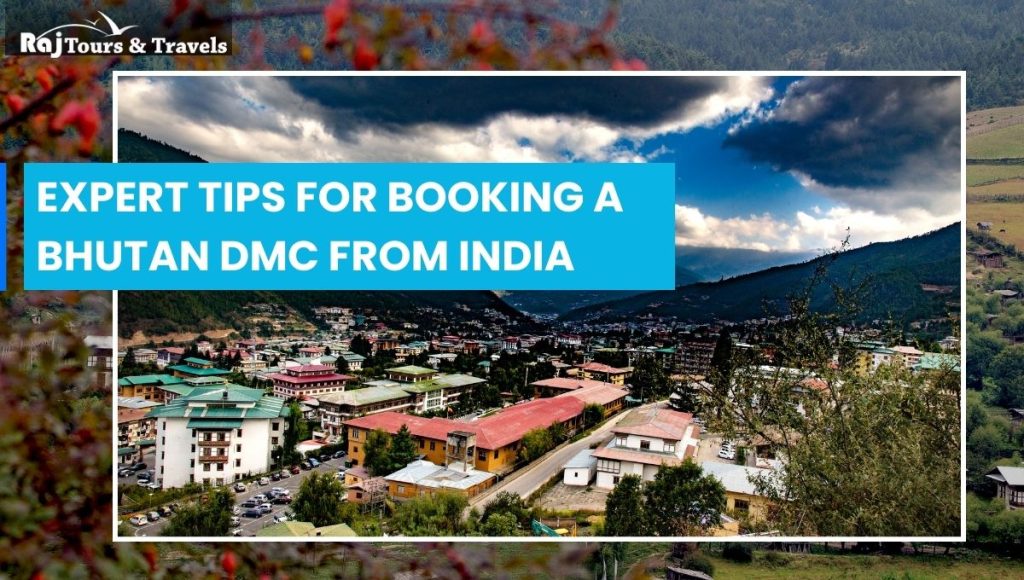
From India to Bhutan: Mastering DMC Selection with Expert Guidance

Are you eager to explore the mystical beauty of Bhutan? Planning a journey to this enchanting Himalayan kingdom requires careful considerations, especially when it comes to choosing the right Destination Management Company (DMC) from India. As your trusted travel partner, we’re here to provide you with expert tips on selecting the perfect Bhutan DMC tailored to your needs. By following these expert tips, you’ll be well-equipped to choose the perfect Bhutan DMC from India, unlocking a world of unforgettable experiences in the Land of the Thunder Dragon. At Raj Tours and Travels, we’re dedicated to turning your Bhutanese dreams into reality, providing you with personalized service and unparalleled expertise every step of the way. Contact us today to embark on your Bhutan adventure of a lifetime!

From India to Bhutan: Mastering DMC Selection with Expert Guidance Read More »

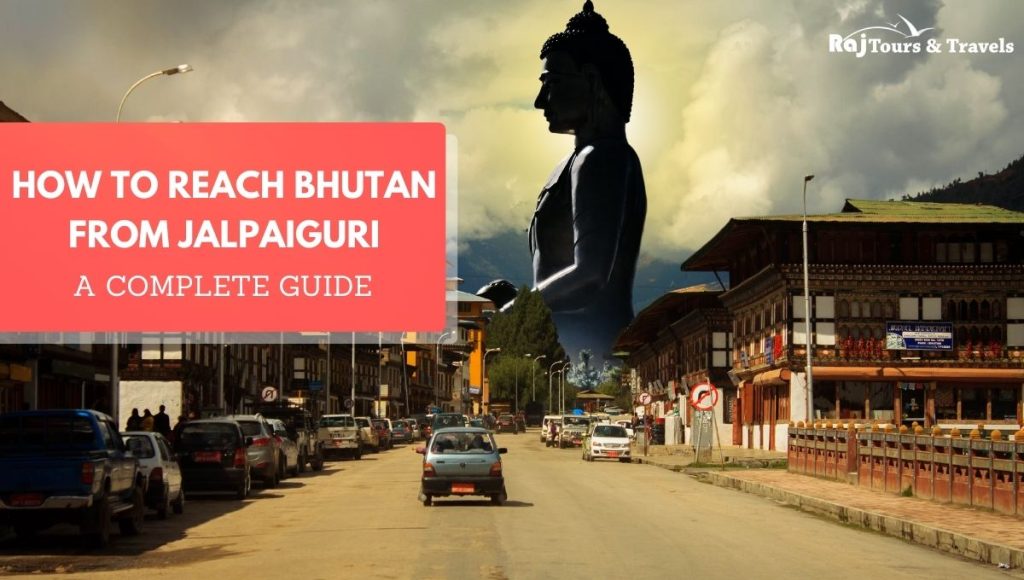
HOW TO REACH BHUTAN FROM JALPAIGURI: A COMPLETE GUIDE

Explore on an awe-inspiring journey from Jalpaiguri to Bhutan, the mystical “Land of the Thunder Dragon.” Discover serene landscapes and cultural marvels along the way. Our guide offers seamless travel tips from Bagdogra Airport to Phuentsholing, ensuring an adventurous and transformative experience. Ready to unravel the secrets of reaching Bhutan from Jalpaiguri? Let’s dive in! Best Way to Get Bhutan By Air: 1. Paro International Airport: Situated in a picturesque valley, Paro International Airport is Bhutan’s sole international airport, offering breathtaking views of the Himalayas during landing and takeoff. 2. Connecting Flights from Bagdogra: Bagdogra Airport, conveniently located about 55 kilometres from Jalpaiguri, serves as a vital hub for travellers heading to Bhutan. Various airlines operate connecting flights from Bagdogra to Paro with layovers in major cities like Delhi, Kolkata, or Guwahati. These flights provide options for travellers to choose the most suitable timing and route for their journey. 3. Accessing Bhutan from Paro: Upon arrival at Paro International Airport, travellers have several options to explore different parts of Bhutan. Taxis, buses, and private transfers are readily available at the airport, providing convenient transportation to popular destinations such as Thimphu, Paro, Punakha, and beyond. The well-maintained road network ensures smooth connectivity, allowing travellers to embark on their Bhutanese adventure with ease. Best Way to Get Bhutan By Road: 1. Scenic Route from Jalpaiguri to Phuentsholing: Travelling from Jalpaiguri to Bhutan by road offers a captivating journey through verdant landscapes and charming towns. The approximately 170-kilometre route to Phuentsholing, Bhutan’s border town, takes around 4-5 hours, promising a delightful experience for road trippers. 2. Transport Options: Travellers can choose from various transportation modes for their journey from Jalpaiguri to Phuentsholing. Private taxis and buses ply regularly between the two destinations, providing affordable and convenient travel options. Additionally, adventurous travellers can opt to hire a car and self-drive, but it’s essential to ensure compliance with all border-crossing formalities and have necessary permits and documents in place. Border Crossing Formalities: 1. Entry Permit at the Phuentsholing Immigration Office: Upon reaching Phuentsholing, travellers crossing the border from India to Bhutan are required to obtain an entry permit at the Phuentsholing Immigration Office. This permit allows entry into Bhutan and is essential for further travel within the country. 2. Documentation Requirements: To process the entry permit, travellers must carry valid identification documents such as passports, visas (if required), and passport-sized photographs. It’s crucial to double-check all documentation to ensure a smooth border crossing and entry into Bhutan. Important Travel Tips: 1. Advance Planning: To avoid last-minute hassles, it’s advisable to plan your journey to Bhutan well in advance, especially during peak tourist seasons. Booking flights, accommodations, and transportation ahead of time ensures availability and peace of mind during your travels. 2. Pack wisely: Bhutan’s diverse terrain and climate necessitate packing appropriate clothing and gear. From the subtropical plains of Phuentsholing to the high-altitude regions of Paro and Thimphu, travellers should pack layers to accommodate changing weather conditions and activities. 3. Cultural Sensitivity: Bhutan is known for its rich cultural heritage and deeply rooted traditions. Before embarking on your journey, take the time to familiarise yourself with Bhutan’s cultural norms and etiquette. Showing respect for local customs enhances the travel experience and fosters meaningful interactions with the Bhutanese people. Conclusion Embarking on a journey from Jalpaiguri to Bhutan opens doors to a world of breathtaking landscapes, spiritual sanctuaries, and warm hospitality. Whether you choose to soar through the skies or traverse the winding roads, the journey itself is an integral part of the Bhutanese experience. With careful planning and preparation, your adventure to the Land of the Thunder Dragon is sure to be filled with unforgettable memories.

HOW TO REACH BHUTAN FROM JALPAIGURI: A COMPLETE GUIDE Read More »

Adventures in Land of Happiness: Essential Tips for Traveling with Kids

Embarking on a family adventure to Bhutan, the Land of Happiness, promises unforgettable experiences amidst breathtaking landscapes and rich cultural heritage. Travelling with kids adds an extra layer of excitement and challenge to the journey. To ensure a smooth and enjoyable trip for the whole family, here are some essential tips for navigating the wonders of Bhutan with your little explorers. 1. Plan Ahead and Pace Yourself:- When travelling with kids, meticulous planning is key to a successful trip. Research family-friendly activities and attractions in Bhutan and create a flexible itinerary that allows for rest breaks and downtime. Keep in mind the altitude and terrain, and plan activities accordingly to avoid exhaustion. By pacing yourself and planning ahead, you can make the most of your time in Bhutan while keeping everyone happy and comfortable. 2. Pack Wisely for All Weather Conditions:- Bhutan’s weather can be unpredictable, with temperatures varying greatly depending on the altitude and season. Be sure to pack layers of clothing to accommodate fluctuating temperatures, including lightweight breathable fabrics for warmer days and warm layers for cooler evenings. Don’t forget essential items such as sunscreen, hats, and sturdy walking shoes for exploring the outdoors. It’s also a good idea to pack snacks and water bottles to keep hungry little travellers energised throughout the day. 3. Engage in Interactive Cultural Experiences:- Bhutan offers a wealth of cultural experiences that are engaging for both kids and adults alike. Encourage your children to participate in hands-on activities such as traditional Bhutanese cooking classes, mask painting workshops, and archery lessons. Visiting local markets and interacting with Bhutanese people provides valuable insights into the country’s rich cultural heritage and fosters meaningful connections with the local community. 4. Embrace Outdoor Adventures:- Bhutan’s pristine natural beauty provides the perfect backdrop for outdoor adventures that the whole family can enjoy. Take leisurely hikes through lush forests, picnic by sparkling rivers, and marvel at cascading waterfalls. For more adventurous families, consider embarking on a gentle trek to Tiger’s Nest Monastery or exploring the Phobjikha Valley, home to endangered black-necked cranes. Outdoor adventures in Bhutan offer endless opportunities for exploration and bonding amidst nature. 5. Be Flexible and Patient:- Travelling with kids requires flexibility and patience, especially in a foreign country like Bhutan. Embrace the unexpected and be prepared to adjust your plans as needed to accommodate the needs and interests of your children. Take breaks when necessary, be open to spontaneous adventures, and allow plenty of time for rest and relaxation. By maintaining a positive attitude and a sense of adventure, you can turn any challenge into an opportunity for growth and discovery. In conclusion, travelling with kids in Bhutan is an enriching experience that promises cherished memories and valuable life lessons. By following these essential tips, you can ensure a smooth and enjoyable journey for the whole family, filled with adventure, cultural immersion, and moments of pure joy. So, pack your bags, embrace the spirit of adventure, and embark on an unforgettable family getaway to the Land of Happiness.

Adventures in Land of Happiness: Essential Tips for Traveling with Kids Read More »